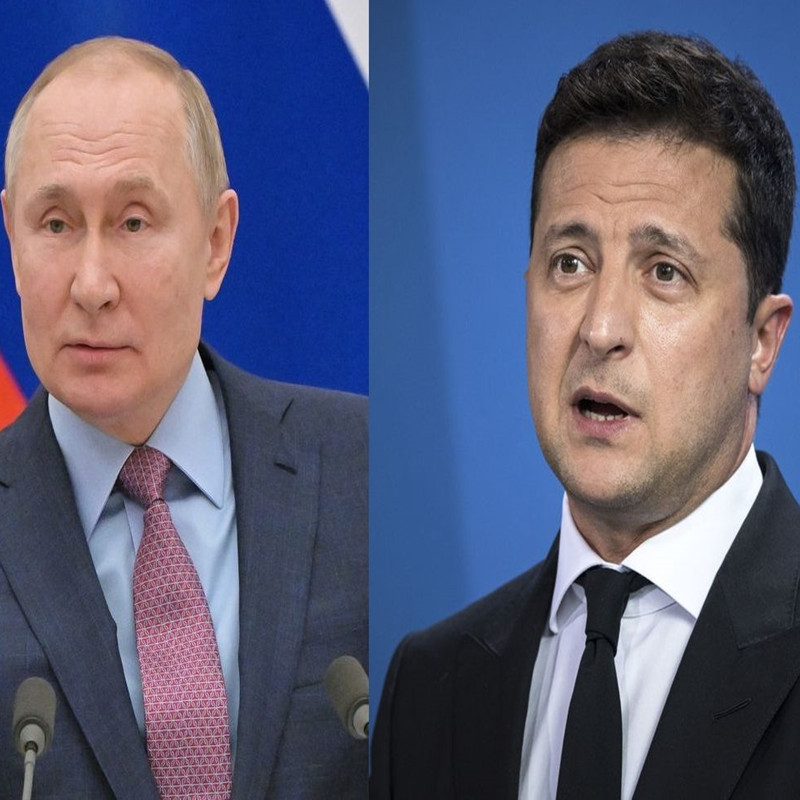
Oil prices are still rising! Under the conflict between Russia and Ukraine, the global energy battle has started, and it is time to choose lithium batteries
With the expansion and escalation of the Russian-Ukrainian conflict, the risk of crisis has spilled over to the energy sector. The average price of regular gasoline in the U.S. has continued to rise over the past few days, hitting a record high of $4.43 a gallon over the weekend. It was up 79 cents, or 22%, in two weeks. The current price is up $1.54 from a year ago.
New energy vehicles have risen in price
It is reported that the price of new energy vehicles has been raised recently, and the Affected by the conflict between Russia and Ukraine, the price of nickel, one of the important raw materials for ternary lithium batteries, recorded the largest increase in the history of futures contracts in 35 years earlier this month. Russia’s nickel export share accounted for 5.3% of global nickel exports. At the same time, cobalt, an important raw material for ternary lithium batteries, as well as core raw materials for power batteries such as electrolyte and anode materials, have also experienced a certain price increase.
On March 17th, Tesla’s retail price ushered in the third skyrocketing three times in a week. Tesla’s official website shows that the Model Y rear-wheel-drive version has increased by $2,300 to the latest price of $49,900. In the previous March 10 and 15, various versions of Model 3 and Model Y have experienced two rounds of price increases, of which Model Y models have increased their prices by up to $50,000.
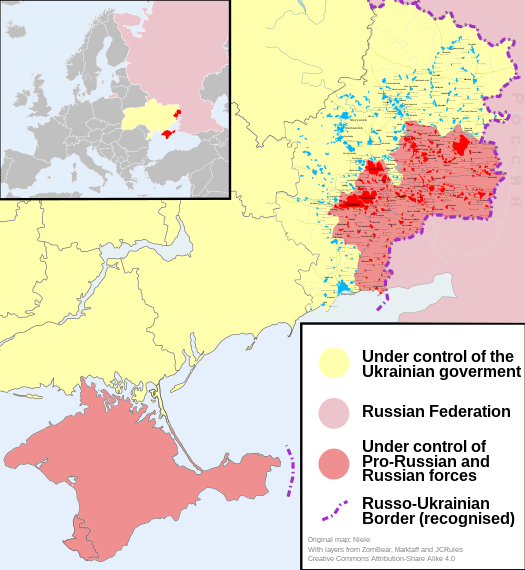
U.S. President Biden recently announced a ban on imports of Russian oil and other energy sources. The United Kingdom also announced at about the same time that it would stop imports of Russian oil and corresponding oil products by the end of this year. The European Commission subsequently announced a strategic plan to cut demand for Russian gas imports by two-thirds this year.
Russia is one of the world’s largest exporters of crude oil and petroleum products, and also exports large quantities of natural gas and coal. But cutting off Russia’s energy supplies in the midst of a tense conflict means finding new sources of supply to fill the market void left by Russia.
Against the background of the Russian-Ukrainian conflict and Western sanctions against Russia, how will this global energy crisis develop?
The global “energy war” is staged
US pressures manufacturers: “whatever it takes”
The British “Financial Times” reported on the 9th that the US government is now beginning to put pressure on shale oil manufacturers, telling them that they should “do whatever it takes” to increase supply, so as to curb the soaring oil prices since the outbreak of the Russian-Ukrainian crisis.
At the same time, the “Wall Street Journal” said on the 9th that the U.S. government and its allies are releasing crude oil from strategic reserves to stabilize oil prices, and are also seeking alternative supplies of Russian oil to “hostile countries” – Venezuela and Iran.
The Biden administration is seeking to ease oil sanctions on Venezuela, the report said. Meanwhile, a deal is nearing a deal that, if reached, could free up Iranian oil exports.
EU ‘begs for anger’ in Africa
If the United States is relatively less dependent on Russian energy imports, the EU is highly dependent on Russian energy. The data show that Russian gas, oil and coal account for 40%, 27% and 46% of the EU’s total imports, respectively.
At present, European countries have turned their attention to Africa, hoping to increase the amount of natural gas imported from African countries to fill the market shortage. However, due to various constraints, it is difficult for Africa’s major energy exporters to make up for the huge gap in the European natural gas market.
UK PM visits UAE and Saudi Arabia
On March 16, local time, British Prime Minister Boris Johnson arrived in the United Arab Emirates. He met in Abu Dhabi with Crown Prince Mohammed bin Zayed Al Nahyan of Abu Dhabi, the United Arab Emirates, before travelling to Riyadh, the capital of Saudi Arabia, to speak with Crown Prince Mohammed bin Salman of Saudi Arabia. It is reported that Johnson and the leaders of the two countries discussed energy security and other issues separately.
Britain had previously announced that it would stop importing Russian oil by the end of 2022.
India plans to buy more Russian oil, draws U.S. dissatisfaction
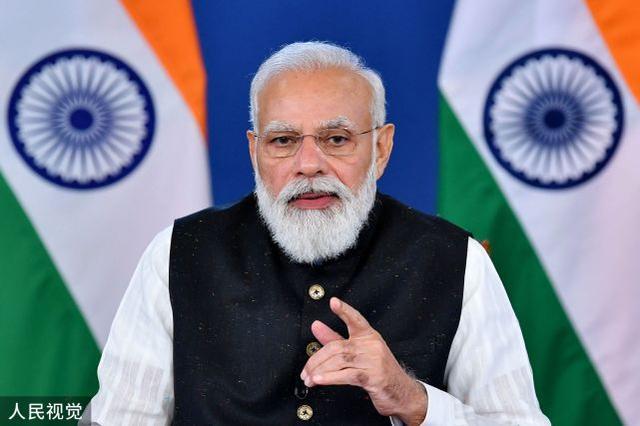
Indian Oil and Gas Minister Hadeep Singh Puri told lawmakers in a speech to the Indian parliament on March 15 that the Indian government is “undergoing negotiations at the appropriate level” with the Russian Federation to buy US and UK announce boycott of Russian oil.
Can Europe and the U.S. “break” the energy crisis?
When asked about the position of Russian energy in the world energy market today, Zhang Yao, director of the Ocean and Polar Research Center of the Shanghai Institute of International Studies, told the Global Network reporter that Russia’s oil exports are the second largest in the world, second only to Saudi Arabia. Russia’s natural gas exports are ranked first in the world. Russia’s energy exports account for nearly 7% of the world’s total energy exports. Although this proportion is not particularly large, it is difficult to find solutions that can fill this gap in a short period of time. market vacancies. Zhang Yao also said that although Europe hopes to reduce its dependence on Russia for energy, it will take time. It is still unlikely that they will completely disconnect from Russia’s energy needs in the short term.
Talking about the method of “breaking the situation” in Europe, Zhang Yao said, “On the one hand, it is to get rid of the dependence on traditional energy as soon as possible through the new energy revolution. However, it requires a lot of investment and research and development costs. Energy resources that can match Russia’s oil and gas production, such as the Middle East.” But Zhang Yao also added that many oil-exporting countries also have profit-making needs and may not be willing to increase production for this purpose.
“The United States has also begun to take action now. For example, the United States once imposed sanctions on two oil-producing countries, Iran and Venezuela, and now, the United States has begun to engage with the governments of these two countries.” Zhang Yao said, “The United States’ move is Attempts to restore oil exports from these countries to the U.S. are unrealistic, however, and it is unrealistic to expect increased production from Venezuela and Iran to displace Russia.”