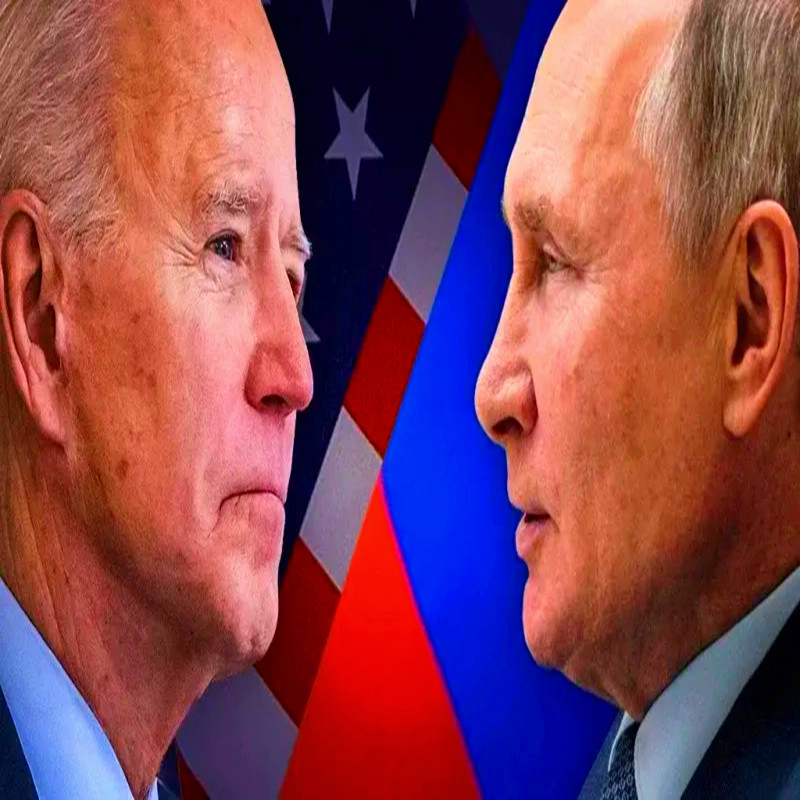
Russia-Ukraine conflict escalates, international oil prices break through 100 Dollar mark
On March 17, Reuters published an article entitled “Putin, Zelensky and the West Face Key Nodes”, saying that if the conflict between Russia and Ukraine continues to escalate, the world may change completely. The full text is excerpted as follows:
At this stage, both Russia and Ukraine know that they may lose – but the other side may also pay a catastrophic price. At this stage, communicating the justice of the fight may be less important than demonstrating the will and ability to win.
Negotiations have also been slow to progress amid slow Russian military progress. Ukraine now recognizes that it will not be allowed to join NATO, and Putin has said he is open to the idea of the country becoming “neutral” like Austria or Sweden during the Cold War.
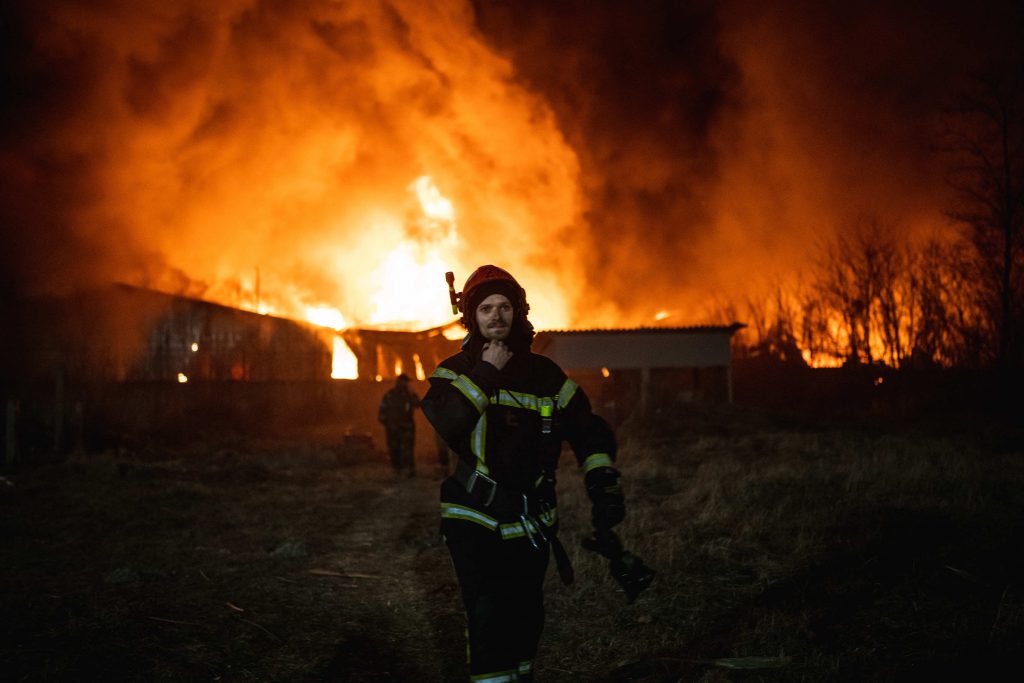
There may be more to be paid, and perhaps Ukraine at least tacitly acknowledges that it cannot retake Crimea or the divided regions of Donetsk and Luhansk. More important, however, is the fate of the regions currently besieged or occupied by Russia.
Russia and Ukraine are likely to disagree on what a “neutral” Ukraine would look like. The Kremlin insists that Ukrainians are “fascists” who must be “demilitarized,” and Kyiv likely wants to be armed to the teeth.
However, even if Putin stopped military action now, Russia’s economic crisis may not be reversed, and there will be calls for Moscow to be held accountable for years to come.
Even without a no-fly zone, Eastern European countries may send Russian-made aircraft to Ukraine in the future. Russia has hinted at possible strikes against arms shipments outside Ukraine and has raised its tone on the use of nuclear weapons.
That’s exactly what worries the West the most – if a deal isn’t done quickly, the parties will just keep doubling down.
Putin and some other countries now have nuclear weapons. If this war continues to escalate, the world may change completely.
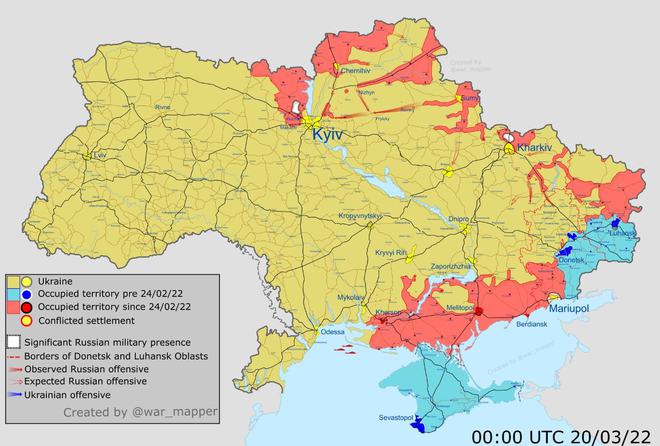
Driven by the complicated international situation, Brent crude oil and WTI crude oil futures both surged by nearly 10% on February 24, breaking through the $100/barrel mark during the session, hitting a new high in nearly 8 years.
It is understood that Russia is one of the top three oil producing countries in the world and also an important crude oil exporter. Therefore, once its crude oil exports are blocked, it will be difficult for other crude oil supplies to fill the gap in a short period of time. In addition, Russia and Europe are closely related in the energy sector. Nearly half of Russia’s crude oil exports are destined for the European market, accounting for about one-third of Europe’s total imports.
Recently, the conflict between Russia and Ukraine has continued to escalate. Europe and the United States have imposed the first round of sanctions on Russia, but the energy sector has not been involved. The United States continues to play up the atmosphere of Russia’s invasion of Ukraine and continues to raise the geo-risk premium of crude oil. Estimate whether Biden will use this political weapon to hedge against high oil prices.
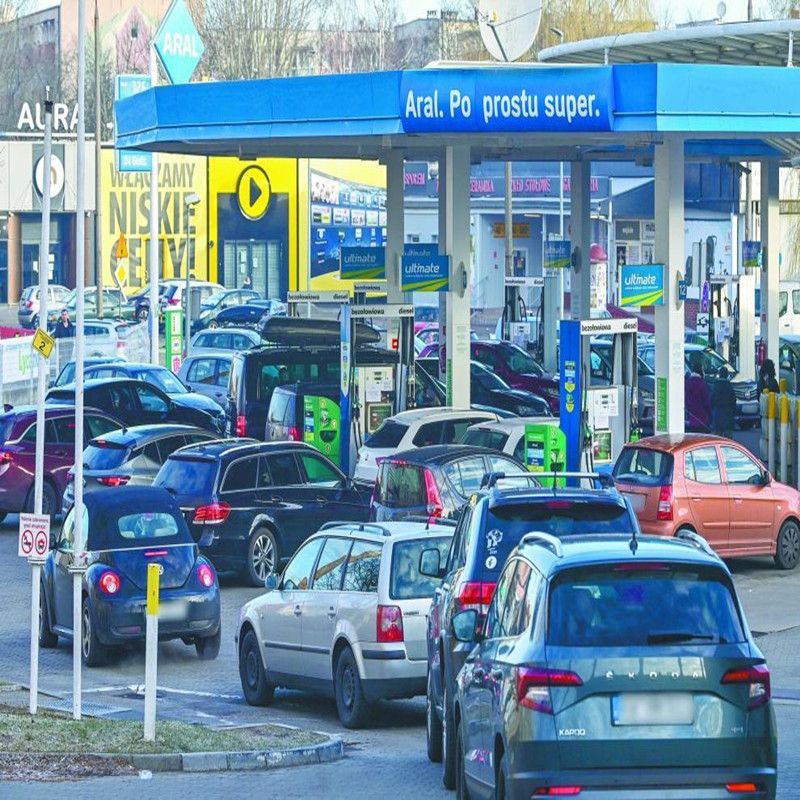
evoke Futures believes that the current supply risks are concentrated, and the main contradiction in the crude oil market has shifted from concerns about weak demand in the early stage to the supply crunch that may be caused by supply risks. Superimposed the recent situation in Russia and Ukraine is also triggering the risk of Russian supply, and this risk will continue, and short-term oil prices will continue to remain high. But there is also the possibility of making up supplies in the later Iran nuclear deal. Short-term prices are affected by these factors, and the center of gravity will move up, but the risks need special attention.
the core driving force for oil prices in the short term still comes from geopolitics. Investors need to pay close attention to the progress of the Russian-Ukrainian conflict and the Iran nuclear negotiation. Controlling risks in a high volatility environment is the first priority.