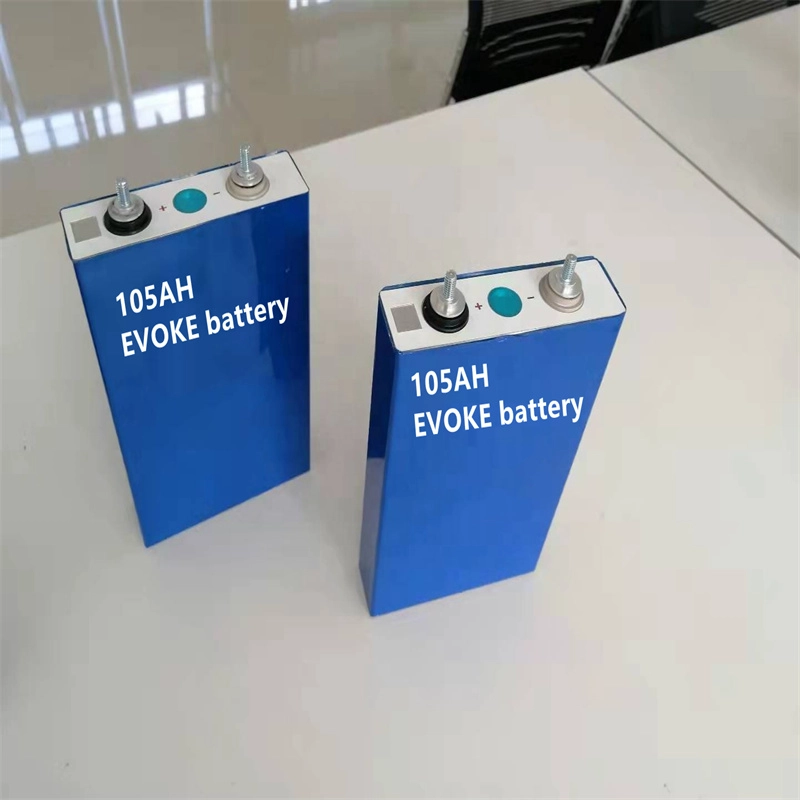
Lithium battery identification and maintenance
Lithium batteries are relatively dangerous products and must be used under the guidance of professional technicians, at least by looking at the product specifications. Avoid blind use, teach you how to judge and distinguish.
method 1
Look at the model specification on the label of the lithium battery pack, whether there is a label for the voltage and the number of strings. For example, for 24V, ternary lithium is generally 6S or 7S, while iron lithium is generally 8S; 48V, ternary lithium is generally 13S or 14S, and iron lithium is generally 15S or 16S. And so on. (S is for series, P is for parallel, which are the initials of English words for series and parallel respectively, and are also professional terms for lithium batteries). This is because the nominal voltage of the ternary lithium platform is 3.6V, while the nominal voltage of the iron-lithium platform is 3.2V.
Also, the lithium iron on the label of the battery pack is marked with LFP, or LiFePO4.
Method 2
It doesn’t matter if there is no series and parallel mark on the battery pack, you can judge it by looking at the Wh number of the battery pack (Wh=voltage V*capacity Ah) and weighing it again. Here we will talk about the difference between the energy density of lithium iron phosphate and ternary lithium, for example. 18650 batteries, iron lithium and ternary, their weight is about 50g
Ternary lithium 18650-3.6V-2600mAh (there are many specifications of 2000, 2200, 2600, and the highest battery of imported brands is 3500mAh), so the energy density of ternary lithium battery is about 187wh/kg (cell 250wh/ kg). After PACK is formed into a battery pack, the accessories have increased a lot, and some energy density is about 150wh/kg; some brands are about 220wh/kg.
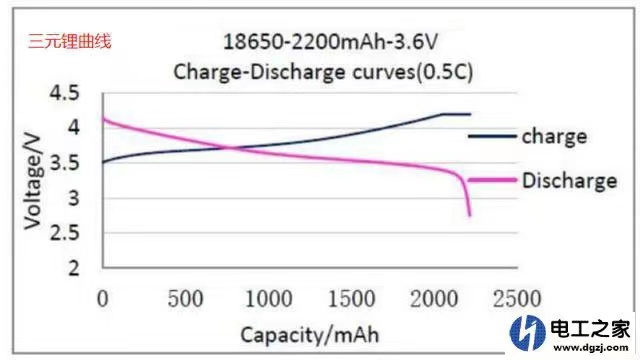
LiFePO4 18650-3.2V-1500mAh. The energy density of iron-lithium batteries is about 100wh/kg, and the energy density after PACK is about 70wh/kg.
What if it is not a 18650 battery, but a 26650 or 32650, or a large square aluminum shell battery? In fact, they are all similar, the energy density is determined by the material, and there is not much difference.
Method 3
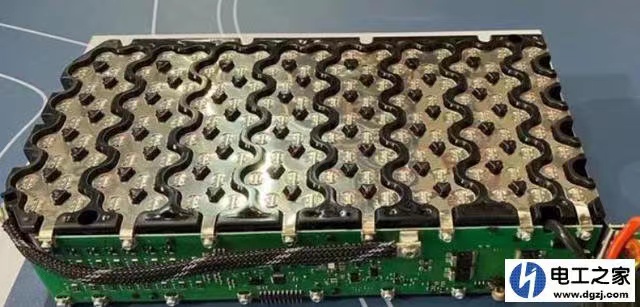
If you don’t have a label, you don’t know the capacity, and you don’t know the voltage, it’s just a black shell. It doesn’t matter, open the black shell and look at the arrangement of the cells. The number of cells in the protective board B-connecting the battery pack is the number of cells in parallel, and then count the total number of cells. The total number divided by the number of parallels is equal to the series connection Counted. For example, the battery pack in the picture below is 15S9P (15 series and 9 parallel), iron-lithium.
Method 4
If the battery pack is with communication, you can directly use the host computer software of the BMS to read the parameters of the battery pack. Such as overcharge and overdischarge voltage parameter setting, equalization turn-on voltage setting, and so on. The monomer voltage range of ternary lithium is 2.5V~4.2V; the monomer voltage range of iron lithium is 2.0V~3.65V. The overcharge protection will be about 0.05V higher than the upper limit, and the overdischarge protection will be about 0.2V higher than the lower limit. The equilibrium voltage is generally about 0.05V lower than the upper limit of full charge. Of course, different projects have different settings. This is only an outline. For distinguishing between iron-lithium and ternary, this range can be judged and distinguished.
Method 5
It doesn’t matter if there is no sticker, you don’t know the capacity, you don’t know the voltage, you don’t have communication, and you don’t dare to open the black shell. We can also judge the difference according to the discharge capacity and discharge voltage platform, which requires a battery pack capacity aging test cabinet.