Tesla: BYD ‘blade battery’ performs better and costs 30% less
A “leader” in the field of new energy for China’s own auto brands, BYD has proficient technology in battery technology and new energy manufacturing, and has recently developed a “blade battery” with higher performance.
As we all know, BYD electric vehicles use traditional iron phosphate batteries with low cost and high energy density, but its biggest advantage is safety. Due to the limitations of battery energy, the cruising range of BYD electric vehicles is about 400 kilometers.
Although Tesla is superior to Yadi in terms of battery management technology, charging mode and software design, the disadvantage of this kind of battery is also very obvious, that is to say, the high-density arrangement of battery packs has a very different effect on heat dissipation.
However, its frequent security incidents also put off many potential customers.
Tesla has released a new “4680” battery that can cost 14 percent less per kilowatt-hour and increase range by 16 percent, but that hasn’t happened yet.
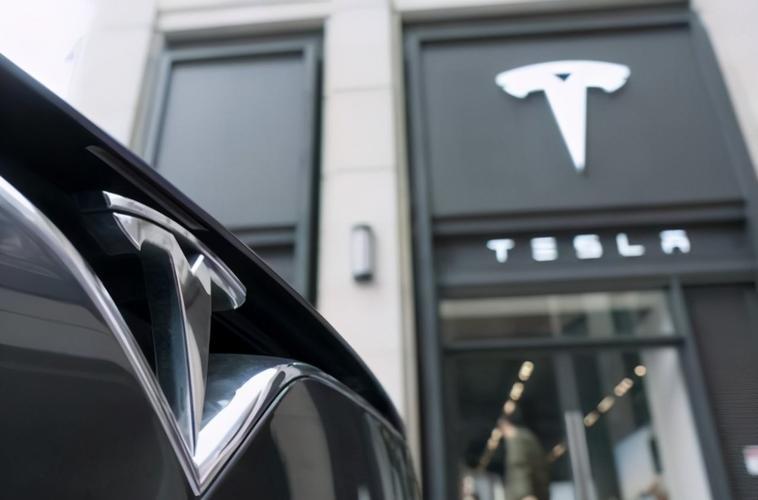
This model has advantages in energy density, volume, safety and cost. The single unit of each blade battery provides great flexibility and can be customized according to the model. Regarding the market performance of blade batteries, according to the “BYD” previously published by Fucai.com: “Han” is selling well, the foundry business is growing steadily, and the performance growth may usher in a new cycle.”
BYD’s previously launched blade batteries have high safety, long life and low cost. From the perspective of improving the space utilization of battery modules, lithium iron phosphate batteries can compete with mainstream ternary lithium batteries.
Blade batteries have more than 300 core patents and are manufactured using a new lamination process. The volume utilization rate is increased to 60%, which is 50% higher than the volume and energy density of traditional iron-lithium batteries, the cost is reduced by 30%, the discharge capacity is significantly increased, and the service life reaches 1.2 million kilometers in 8 years.
If all 8 production lines are put into operation by the end of the year, its production capacity is expected to reach 13Gwh, and BYD also plans to partially switch the capacity of the original 30GgW ternary lithium battery to the blade battery. The company plans to innovate the capacity of 26GWat blade battery this year and next year. Meet your own product replacement needs.
Along with the superior performance and safety of the blade battery, it will also greatly improve the company’s external supply business.
The technological innovation of Tesla’s 4680 battery lies in the use of electrodeless technology. Although the path required for the electrons to reach the external circuit can be reduced to 5%-20% of the previous, thus reducing the current deflection effect, and since shortening the electron transport distance makes it easier to control the internal temperature of the battery, the production capacity cannot keep up with it under current conditions, And can not enjoy the high growth dividends of the new energy vehicle industry.
The battery used in BYD cars is a traditional iron phosphate battery, which has a smaller cruising range than Tesla but good stability. BYD announced its own “blade battery” last year, which has stronger energy density and safety and is more stable than Tesla’s battery packs.
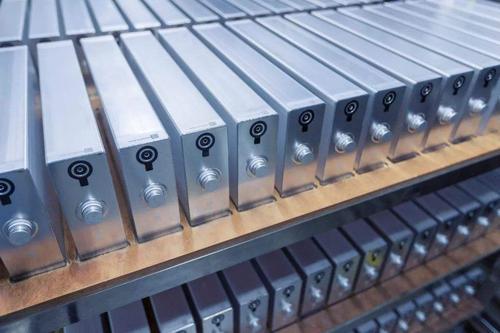
Let’s take a look at BYD’s blade battery, the current energy density is 140Wh/kg, which may increase to 160-170Wh/g in the future, and the cruising range of the whole vehicle can reach 700-800 km, which is comparable to Tesla’s so-called 400Wh/g. The battery performance varies greatly. Tesla is developing a unique battery technology that promises to extend the battery life to 1 million miles (equivalent to 1.61 million kilometers), while the battery cost will also be reduced to per kWh/kWh.